Commercial
A floor customers notice without noticing
Retail floors carry two jobs at once. They have to look considered, because the floor is a large share of what a customer sees, and they have to survive trolleys, deliveries, spilled drinks and sand walked in off the street without needing constant attention.
Pour this floor
Tell us the space and rough size. Or call (941) 504-9132.
Detail
Look first, then durability
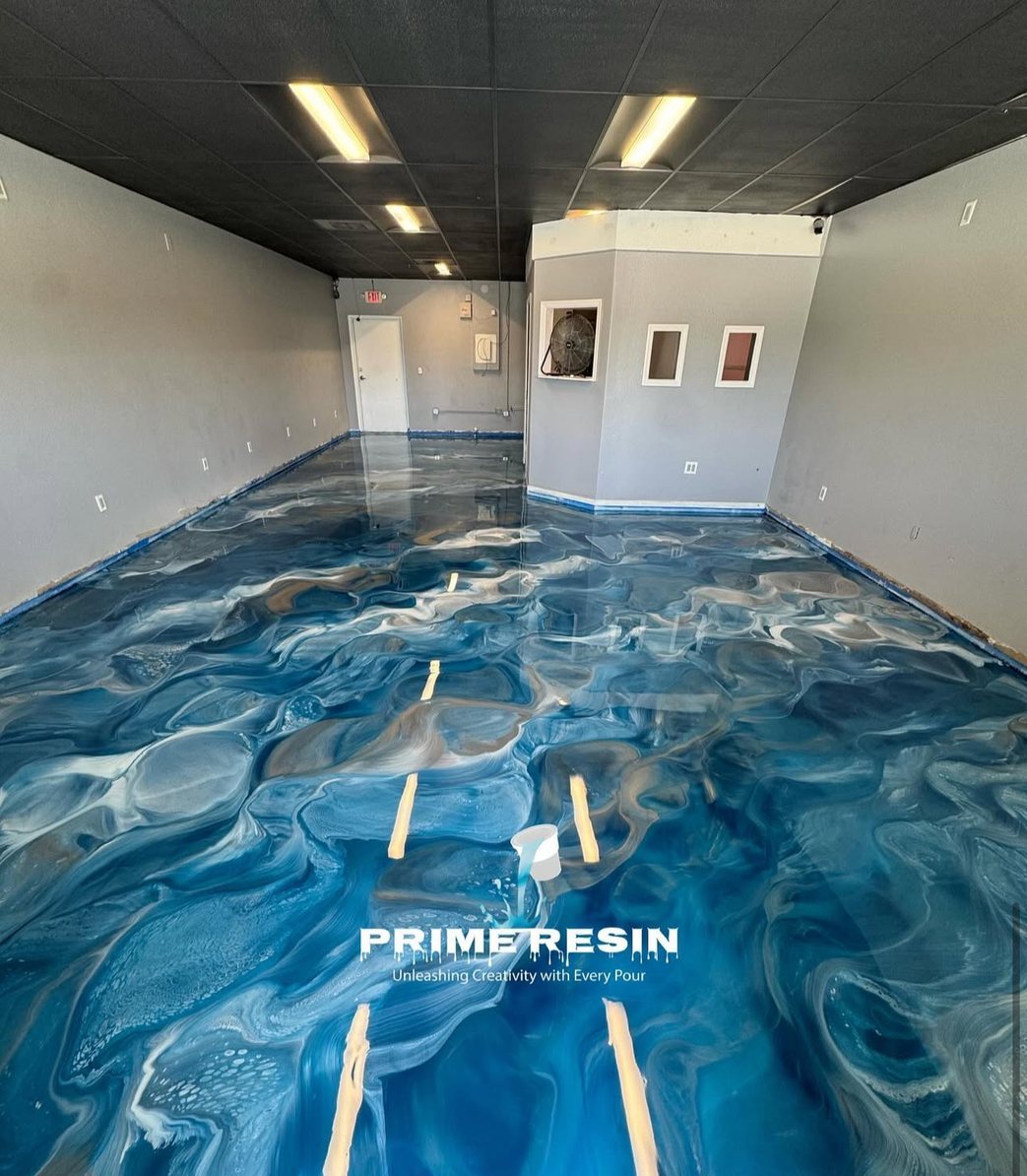
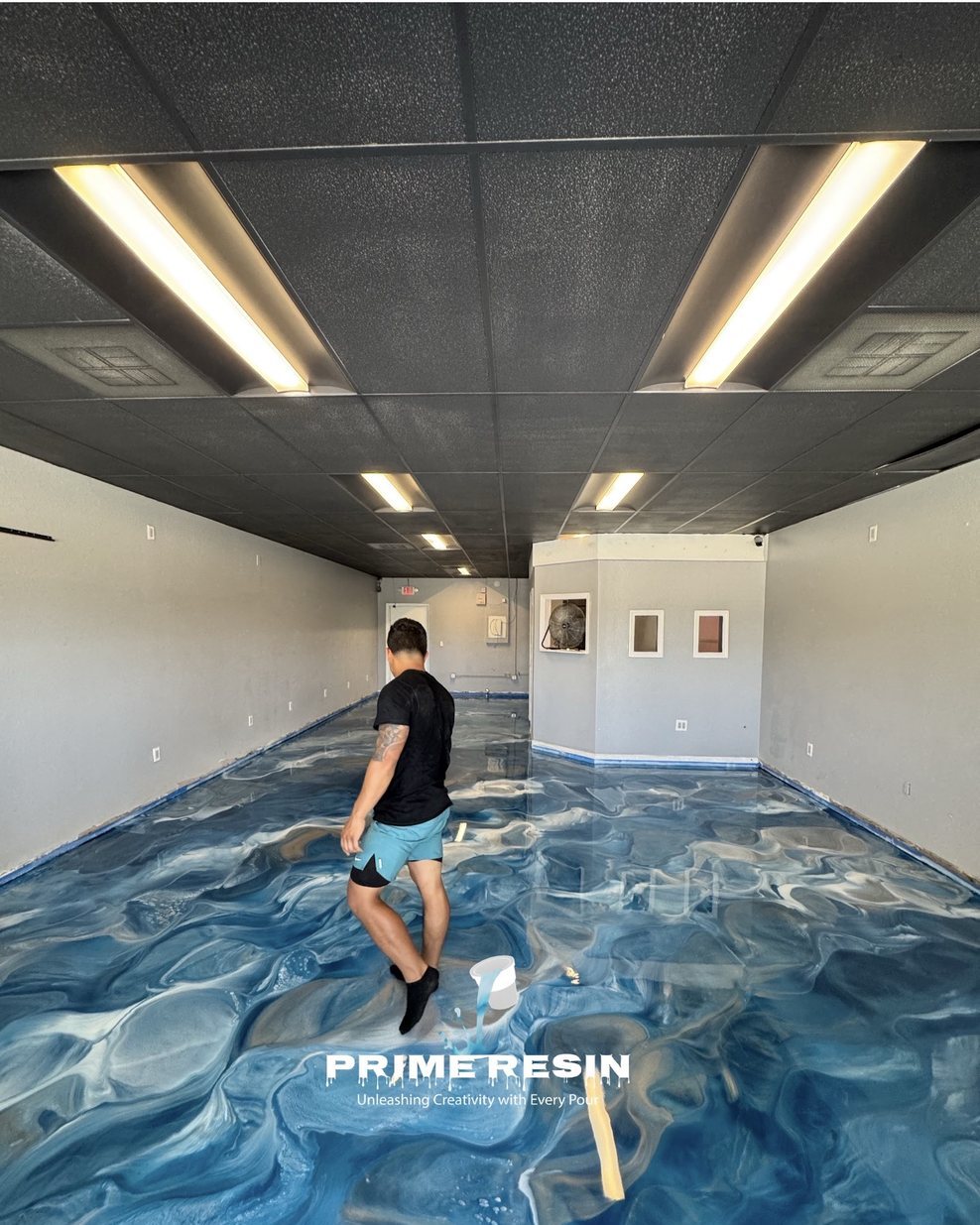
In a shop the floor is a design decision. A polished grind and seal reads clean and modern and shows off the concrete itself. A decorative metallic makes the floor a feature in a showroom or a gallery. A solid color lets merchandise carry the room with the floor staying quiet.
Sheen is the choice people underrate. High gloss looks sharp under lighting and bounces light around a dim space, but it shows every footprint and every scuff. A satin finish photographs almost as well and looks acceptable far longer between cleans, which is why most retail floors end up satin.
The floor also has to work with the lighting you already have. We put samples down in the actual space under the actual lights before anything gets committed, because the same finish reads completely differently under warm spots and cool ceiling panels.
What retail traffic actually does
Footfall alone is gentle. The damage comes from what people bring in: sand and grit off the pavement, which acts like sandpaper underfoot, plus trolley and rack wheels, pallet jacks on delivery day, and dropped stock.
So the entry zone takes the beating. Matting inside the door removes a surprising amount of abrasive before it reaches the sales floor, and a slightly heavier build through the entry and the main circulation route buys years.
Spills need to sit on the surface and wipe off. A coffee or a drink on bare or poorly sealed concrete leaves a permanent mark; on a sealed floor it is a cloth and thirty seconds.
Fitting the work around trading
Retail cannot close for long, and the work is disruptive while it happens. Grinding is loud and dusty, so it runs overnight or through closed days with containment and extraction to keep dust out of stock.
We phase larger stores so part of the floor keeps trading while we work the other part, with clean temporary transitions rather than tape across an open aisle.
Fixtures are the planning problem. Anything bolted down or too heavy to shift changes the sequence, so we walk the space and agree what moves and what gets detailed around before a single date goes in the diary.
Preparation
What happens before any resin comes out
A commercial floor gets inspected, walked on all day and cleaned with things nobody would use at home, so the bond has to be right before anything else is discussed.
We diamond grind every floor. Progressively finer diamond tooling runs across the slab until the surface is opened to a profile the coating can key into mechanically, with the dust going into a vacuum rather than into the house. Acid etching, which is what most retail kits instruct, barely touches a hard-troweled slab.
Then we read moisture. Florida slabs sit on sand with a high water table and move vapor upward continuously; trap that under a film-forming coating and you get bubbling and delamination that can only be ground off and redone. Where the numbers come back high we specify a moisture-tolerant primer instead of pretending the problem is not there.
Cracks get chased out to a clean edge and filled rather than skimmed over, spalls and pop-outs get rebuilt, and any previous coating comes off entirely. Only when the slab is sound, open and dry does anything get mixed.
The finish is what you see. The grind underneath it is what decides whether you are still happy in year eight, and it is where we spend the time other quotes save money.
It is also why we will occasionally tell someone their slab needs repair before it needs a coating. A floor that should be fixed structurally is not a floor we will put resin on, because the crack comes back through and then it is our name on it.
Related work
Lanai Floor Coatings
A screened lanai is its own environment. The cage cuts the sun and the bugs and it also cuts the airflow, so humidity…
See the system →Outdoor Concrete Coatings
Walkways, entries, side yards, equipment pads, dock approaches and the path around to the trash cans are all…
How it works →Driveway Coatings
A driveway is the hardest exterior coating job on any property. It carries vehicle weight, it takes hot tires, it…
Read the detail →Porch Floor Coatings
A porch is covered and it is attached to the house, and both of those change the job. It stays drier than a patio, so…
What it suits →Questions
Retail Floor Coatings questions
How much does retail floor coatings cost?
Price follows square footage, the condition of the slab and the system you choose. A sound slab that only needs grinding costs far less to prepare than one with cracks, old coating or a moisture problem. We look at the floor and give you a real number rather than a range that means nothing.
How long does retail floor coatings take?
Most residential work is two to four days on site depending on size and system. Commercial and industrial floors are scheduled around your hours and often run nights or weekends. You get exact dates before we start, including when you can walk on it and when you can put weight on it.
Do you grind the floor first?
Always. Diamond grinding is the only way to get a profile the coating can key into, and it is the single biggest reason floors either last or fail. We do not acid etch and we do not coat over a sealed slab.
What about moisture in the slab?
Florida slabs move water upward constantly, and vapor trapped under a coating is a guaranteed failure. We take a reading before quoting. If the numbers are high we specify a moisture-tolerant primer rather than pretending the problem is not there.
Can you match a color or a look I have seen?
Usually. We carry eighteen flake blends and mix metallic per floor, so bring a photo, a cabinet door or a paint chip and we will get close. We put samples down in your own light before you commit.
Do you work outside Sarasota?
Yes. We cover a 120-mile radius from Sarasota, which is twenty-four counties from Naples up to Ocala and across to Orlando. Check the service areas page or call and ask.
Send us the space. We will send back a number.
Rough size and a photo is enough to start. We cover Sarasota and twenty-four counties around it, so tell us where you are and we will tell you when we can get there.
Pour this floor
Or call (941) 504-9132.